Climate Change and Wheat: Risks, Yields, and Solutions
Introduction
Wheat covers more farmland than any other food crop on Earth and feeds billions of people every day. From sandwich bread and pasta to breakfast cereal, it shows up in almost every pantry. When wheat harvests go wrong, food prices rise and food security feels shaky, from rural families to national budgets.
"You can't build a peaceful world on empty stomachs and human misery." — Norman Borlaug
That global role is under pressure as the planet warms, with temperatures keeping rising, rain arriving at the wrong time or not at all, and violent storms hitting fields that used to be predictable. Temperatures keep rising, rain arrives at the wrong time or not at all, and violent storms hit fields that used to be predictable. For a crop like wheat, which prefers mild temperatures and steady soil moisture, these swings turn a familiar growing season into a series of risky bets.
Farmers, breeders, and researchers are already changing how they manage wheat so it can handle heat, drought, and new pests. At the same time, organizations that support agriculture need faster ways to share what works, from drought tolerant varieties to smarter irrigation. This is where strong, scalable content from platforms like Contentpen helps bridge the gap between research plots and real fields.
In this article we look at how climate change affects wheat, which farming strategies show the most promise, and why knowledge sharing matters as much as new seed or machinery. By the end, we will have a clear picture of the main threats and practical responses, plus how content teams can support the people who grow this essential grain. Think of it as a field guide for the next decade of wheat production.
Key Takeaways
Here is a preview of the main ideas. These points show how climate is reshaping wheat and how growers and communicators are responding.
- Climate change is pushing wheat outside its comfort zone. Heat waves, drought, and intense downpours reduce yields. Grain size, grain number, and quality fall when stress hits during flowering.
- Growers are adjusting varieties, water use, and timing. Heat and drought tolerant wheat lines help crops finish the season. Precision tools support decisions on when to plant, irrigate, and harvest.
- Knowledge sharing matters as much as seed and machinery. Digital content spreads wheat practices faster than meetings alone. Platforms such as Contentpen let teams produce and update guidance at scale.
Understanding Climate Change Impacts On Wheat Production
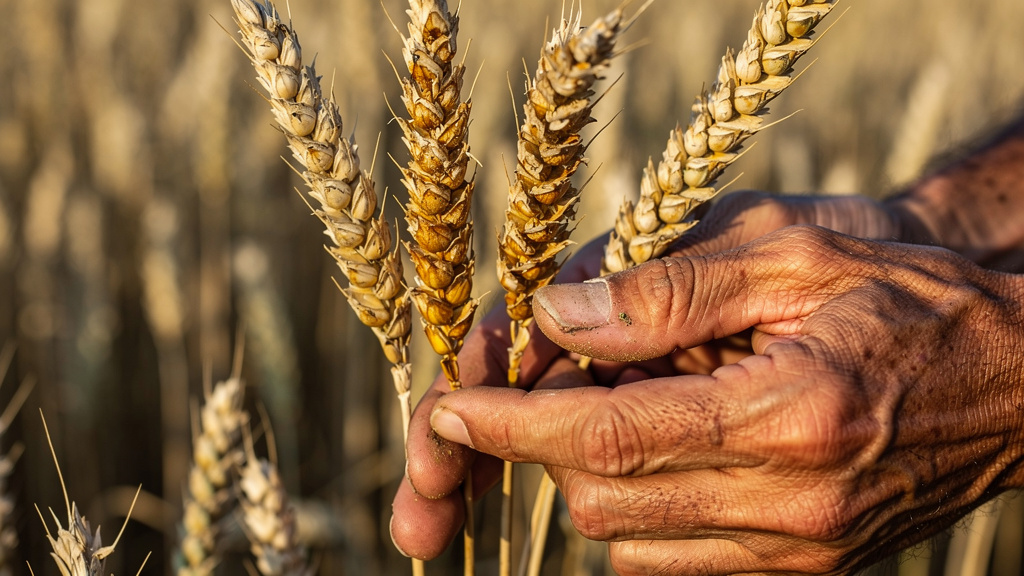
Wheat has a comfort band for growth between about 54 and 77 degrees Fahrenheit during most of its life cycle. Winter types need a period of cool weather so they can flower in spring, a process called vernalization. When winters are too warm or springs turn hot too early, plants rush through their stages, which shortens the grain filling window and lowers final yield.
According to climate change-related agricultural statistics, climate stress on wheat falls into a few broad categories:
- Heat Stress And Shorter Seasons
Temperature spikes during flowering are especially damaging for wheat. A short burst above about 86 degrees can harm pollen, so fewer kernels form on each head. Even if plants survive, the stress often leads to lighter kernels, which means lower test weight and less flour per bushel. - Water Stress And Soil Conditions
Water patterns are also shifting for many wheat regions. In some Great Plains areas, long dry spells leave the soil bare and dusty, while other regions get heavy rains that drown roots and delay field work. Deep root systems usually help wheat reach stored moisture, yet long droughts can pull water tables down so far that even those roots cannot keep up. - Pests, Diseases, And Grain Quality
Warmer, wetter conditions in some zones change the balance of pests and diseases that attack wheat. Insects such as aphids and fungal foes like rusts and head blight can spread into areas that once stayed too cold for them. Studies on the global economic impact of climate change suggest that without adaptation, global wheat yields could drop about six percent for every degree Celsius of warming, and grain protein content may fall as well. - Regional Differences In Climate Risk
These stresses do not hit every wheat belt the same way. Kansas growers may worry more about chronic drought and late spring heat, while farmers in North Dakota often face wetter soils and disease pressure. Winter and spring classes, and hard and soft types, each react differently, so local climate trends matter as much as global averages.
Adaptive Wheat Cultivation Strategies For Climate Resilience
Breeding Climate-Resistant Varieties
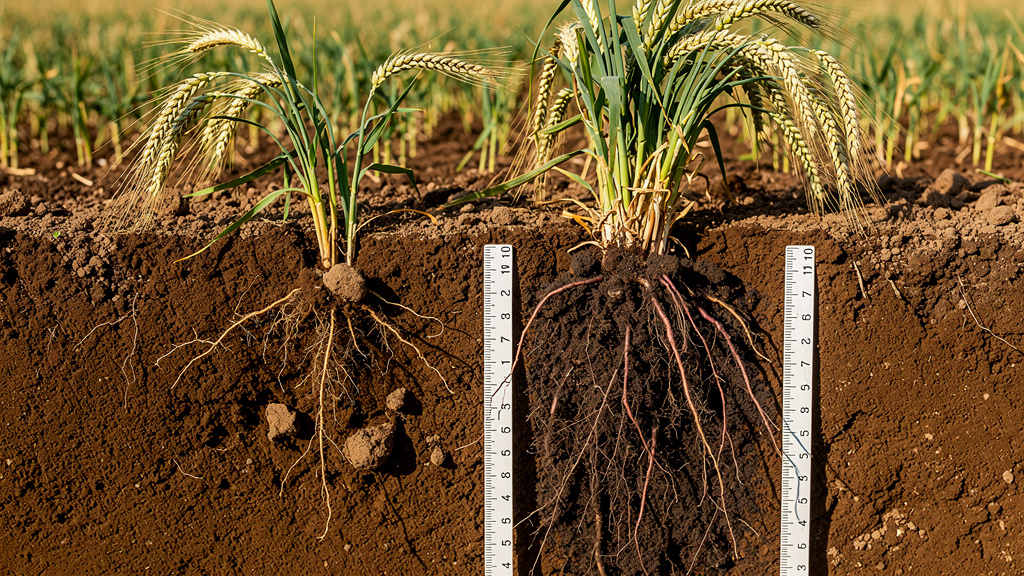
Modern wheat breeding builds on the work that powered the Green Revolution yet targets new kinds of stress. Breeders cross high yielding lines with hardy parents that handle heat, drought, and salty soils. They look for traits such as deeper or more efficient roots, quicker maturity so the crop escapes late season heat, and awned heads that add extra photosynthesis in hot, dry fields.
Traditional field crossing is now joined by marker assisted and genomic selection, which let teams sort through thousands of wheat candidates faster. Even with these tools, moving a new variety from first cross to farmer field usually takes eight to ten years. That is why preserving older genetic lines such as einkorn, emmer, and spelt matters, because they hold traits that breeders can tap in future crosses. Seed companies and universities test these candidates across many locations to see which ones fit each region best and to keep disease resistance strong.
Precision Agriculture And Technology Adoption
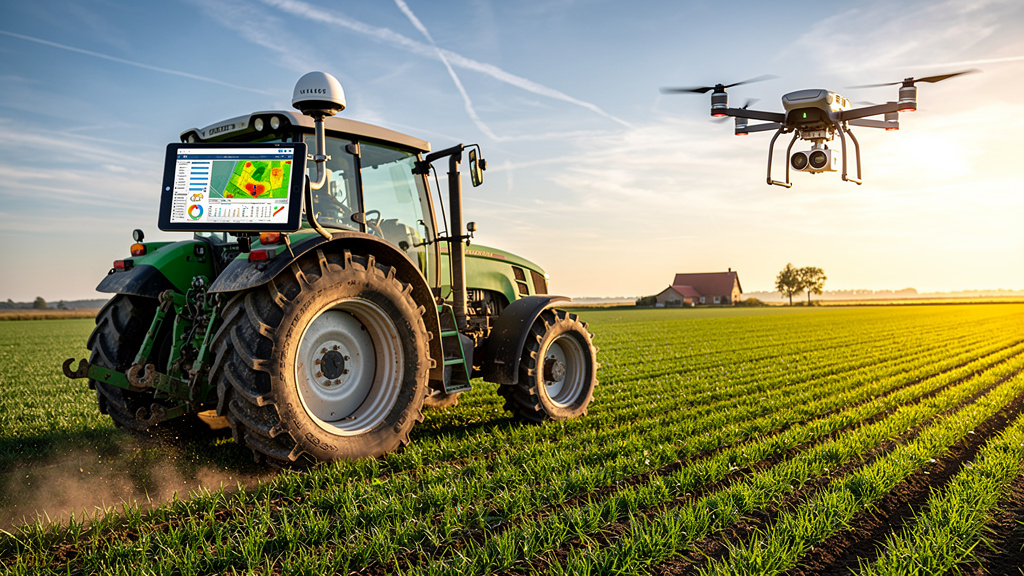
Technology helps wheat growers respond to climate swings with more precision instead of guesswork. Soil moisture sensors and local weather stations give real time feedback on when fields need water. GPS guided tractors and variable rate equipment adjust seeding, fertilizer, and irrigation across a field, so sandy soils receive different rates than heavier spots.
Remote sensing through drones or satellites can flag hot, dry, or diseased patches in wheat before the damage is obvious from the road. Yield monitors on combines record how each part of a field performed, feeding data platforms that suggest better planting dates and harvest windows. Some tools now run on smartphones, lowering the barrier for small or medium scale farmers and allowing them to share data with advisers or neighbors.
Agronomic Practice Modifications
Not every climate adaptation for wheat needs large equipment or expensive software. Many helpful steps are simple changes in day to day management, such as:
- Shifting winter wheat planting slightly earlier or later to match new frost dates.
- Rebalancing acres between winter and spring types to spread weather risk.
- Rotating with legumes to build nitrogen and improve how soil holds water.
- Using conservation tillage and cover crops so each rain soaks in instead of running away.
- Choosing the right wheat class for seasonal patterns to manage yield and quality risk.
These practices often improve soil health and resilience over several seasons, not just in a single year.
The Role Of Knowledge Sharing In Climate Adaptation

New research on climate smart wheat practices comes out every season, yet many farmers still hear about it late or not at all. Extension agents cover large territories, language barriers slow training, and printed guides go out of date as pests and weather patterns shift. Turning complex climate and agronomy findings into short, clear messages is just as important as running field trials.
Digital content helps bridge this gap for wheat producing regions from the Great Plains to India and China. When articles, videos, and field checklists are easy to find online, growers can get guidance when they type a problem into a phone. Multi language resources matter too, because many people growing wheat do not read technical reports in English yet still need timely advice.
Strong content programs tend to:
- Present step by step practices in plain language, with photos or short clips where helpful.
- Highlight region specific examples so farmers can see how a practice works on ground that looks like theirs.
- Update guidance quickly when new pests appear or weather patterns shift.
This is where a platform like Contentpen fits into the climate adaptation picture. Research groups, seed companies, and agencies can use Contentpen to turn long studies on wheat breeding or water management into clear articles, FAQs, and field guides. The same workspace supports multi language drafts, plagiarism checks, competitor research, and one click WordPress publishing, so small teams keep a steady flow of accurate guidance in front of growers.
Conclusion
Wheat sits at the center of global food security, yet the climate that this crop depends on is shifting fast. Higher temperatures, thirsty soils, and new waves of pests and disease threaten yields, quality, and farmer income. The good news is that breeders, agronomists, and growers already have a toolbox that works, from stress tolerant varieties and smarter technology to simple field management adjustments.
To keep wheat fields productive through the next decades, physical practices and clear communication must move together. Farmers need timely, trusted guidance on which variety to plant, how to manage water and soil, and when new threats are arriving. When agricultural experts pair their on the ground knowledge with focused content programs, supported by platforms such as Contentpen, those ideas travel farther and faster, helping protect the grain that feeds so many households. That combination is our best path to steady harvests under a changing sky.
FAQs
How Does Climate Change Specifically Affect Wheat Yields?
Heat during flowering and grain filling shortens the growth period, which lowers kernel number and kernel weight. Drought at these same stages limits water and nutrient uptake. Warmer, wetter weather can also boost pests and fungal diseases. Studies estimate about six percent yield loss per degree Celsius of warming without adaptation.
What Are The Most Drought-Resistant Wheat Varieties?
The best drought tolerant wheat varieties differ by region, because each breeding program works with local soils and climate. In general, lines with deeper roots, earlier maturity, and good water use efficiency handle dry years better. Awned types often perform well in hot, dry zones. Local extension offices provide recommendations that fit regional conditions.
Can Precision Agriculture Really Help Small-Scale Wheat Farmers?
Precision tools can help even small wheat farms, though cost is a concern. Basic steps such as soil testing, simple weather apps, and guided fertilizer plans already improve decisions. Cooperatives sometimes share larger tools like yield monitors. Government and nonprofit programs increasingly offer low cost access and training for tools so smaller farms can benefit as well.